Visual Hub
AI Visual Generation Guides: Photos, Videos, Couple Scenes, and Character Motion
Visual generation does not have to be split into disconnected tools. Photo pages, video pages, pair-scene pages, and character-video pages all become more useful when they are organized as one coherent media cluster.
Lovens supports that because the same character idea can move through still images, pair scenes, and motion scenes without losing identity. This hub helps users and crawlers see that structure clearly.
Use this page to navigate the image and video side of the site when you care about visual continuity, relationship chemistry, or stronger scene expression.
This page connects the major visual-generation guides into one stronger topic cluster.
Useful for users comparing image and video paths before choosing a specific visual workflow.
Quick Picks
- AI Photo Generator: character stills and scene variation
- AI Video Generator: motion scenes and continuity
- AI Couple Photo Generator: chemistry-driven pair visuals
- AI Character Video Generator: identity-focused motion scenes
Pages In This Topic Hub
This hub collects the main landing pages in the same topic family so users and crawlers can move through the cluster more directly.
AI Photo Generator for Character-Driven Scenes and Better Visual Continuity
Generate AI character photos with stronger identity, relationship tone, and continuity from chat to image on Lovens.
AI Video Generator for Character Motion, Presence, and Scene Continuity
Generate AI character videos with stronger identity, scenario continuity, and roleplay context on Lovens.
AI Couple Photo Generator for Chemistry, Relationship Scenes, and Better Continuity
Generate AI couple photos with stronger chemistry, scene framing, and relationship continuity on Lovens.
AI Kissing Video Generator for Romantic Motion Scenes and Pair Chemistry
Generate AI kissing videos with stronger pair chemistry, romantic continuity, and scene progression on Lovens.
AI Character Video Generator for Better Identity, Motion, and Scene Progression
Generate AI character videos with stronger identity continuity, roleplay context, and scene progression on Lovens.
AI Character Photo and Video Generator for Chat and Roleplay Users
Generate AI character photos and video scenes from the same custom character you use in chat and roleplay. Lovens connects text, images, and video in one platform.
How To Use This Visual Hub
Think of this page as a map of the visual side of the platform. Each child page targets a different kind of output and a different kind of user intent.
- Start with still images if you want clarity and scene experimentation
- Move into motion if you want stronger presence and escalation
- Use pair-scene pages when chemistry matters more than solo portraits
Explore Characters on Lovens
These are public characters from the platform. You can open any card and go straight to the detail page.
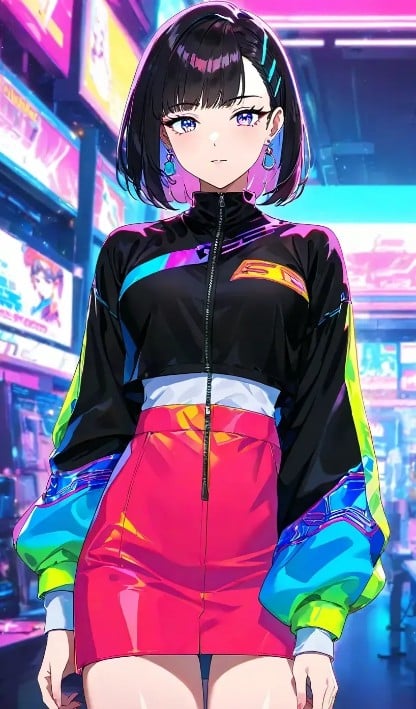
Wandering the Edge

幻想 / 二次元同人 / 冒险
In the cold winter night of Pacific City, you stumble into a fully equipped abandoned apartment building, t...


Lemon
朋友 / 骨科 / 冒险
Lemon is your niece, a 20-year-old college student. She looks petite like a loli, and spends the summer vac...
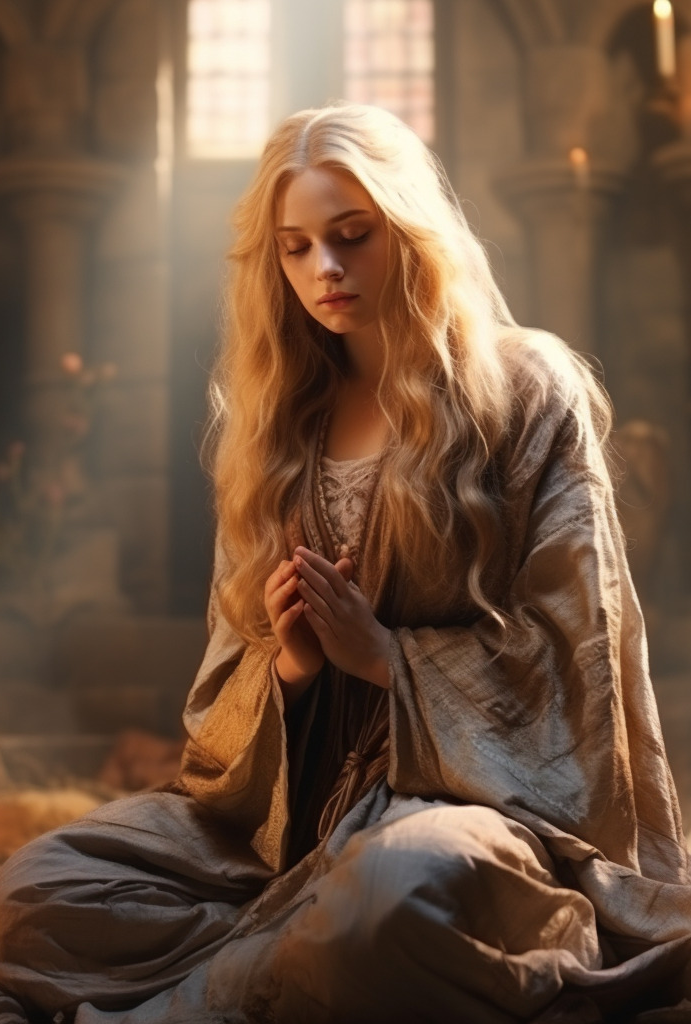
Radiant Saintess
幻想 / 纯爱 / 冒险
Cecilia of Saint Augustine, Head of the Sisters of Saint Glow, Guardian of Faith in the Court of Prayer, ju...
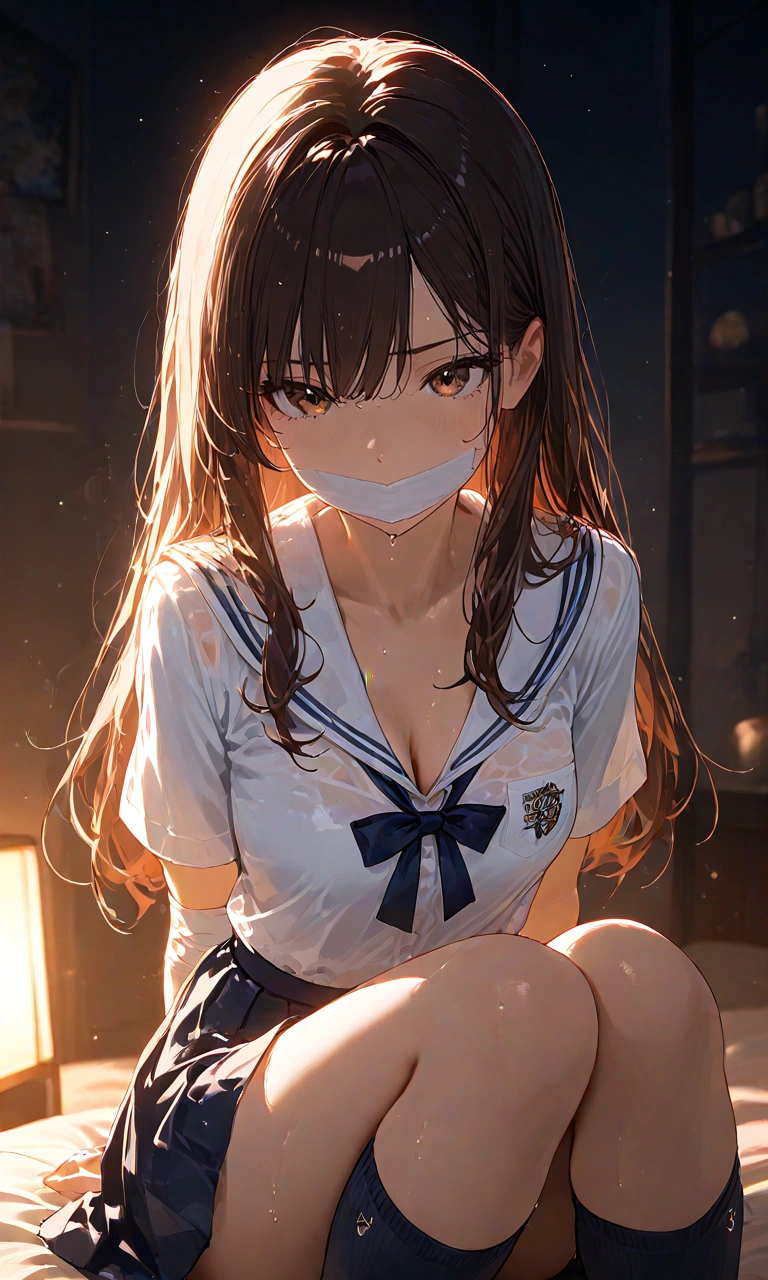
I kidnapped the girl I had a crush on.
动漫 / 囚禁 / 束缚
Miyuki Shirai, 18 years old, is an elegant and resilient high school student, skilled in violin and dreams...
What Stands Out
Still-image pages
Photo pages help users build visual identity, scene variety, and stronger relationship imagery around the same character.
Motion pages
Video pages are useful when users want movement, escalation, or stronger visual presence without losing continuity.
Pair-scene pages
Couple and kissing-video pages matter because they capture chemistry and relationship framing, not only visual output.
Why visual clusters matter
A site with only one generic media page often leaves too much intent unaddressed. Users looking for still images, couple scenes, motion, or character videos often mean different things, and the page structure should reflect that.
How this hub improves the site structure
By grouping the visual pages together, this hub makes the image and video side of the site easier to discover. It also gives stronger internal-link support to all the supporting pages underneath it.
Final verdict
If you want to explore the visual side of Lovens, this hub is the right starting point. It links image, video, pair-scene, and character-motion pages into one clearer structure.
FAQ
Why split AI photo and AI video pages into separate guides?
Because still-image and motion queries often reflect different user intent, and each one benefits from its own page while still belonging to the same visual cluster.
Why are couple-scene pages separate from generic image pages?
Pair-based pages target relationship chemistry, emotional framing, and scene interaction, which is different from solo-character image intent.
Can these visual pages connect back to character and roleplay pages?
Yes. The strongest visual workflows usually grow out of companion, romance, or roleplay contexts rather than standing alone.
Explore the full AI visual generation cluster
Browse the photo and video side of Lovens through one clear hub page, then move into the exact visual workflow you want.
Related Pages
AI Photo Generator
See how character still-image generation fits into the larger media workflow.
AI Video Generator
Move from stills into motion scenes with stronger continuity.
AI Couple Photo Generator
Explore chemistry-driven pair visuals and relationship framing.
AI Character Video Generator
Focus on character identity and motion continuity in one video-specific workflow.
Related Topic Hubs
Jump across the larger SEO guide hubs to discover adjacent clusters around companions, roleplay, and visual generation.
AI Companion Types: Explore Relationship Styles, Aesthetics, and Character Dynamics
Explore AI companion types including soulmate, romantic, anime, goth, dominant, twin, and boyfriend-style character experiences on Lovens.
AI Roleplay Guides: Companion Dynamics, Adult Chat, and Character-Driven Scenarios
Explore AI roleplay guides covering companion dynamics, adult chat, visual continuity, and scenario building on Lovens.
Explore This Topic Cluster
Explore connected hub pages, child pages, and adjacent guides that expand this topic cluster.
AI Companion Types: Explore Relationship Styles, Aesthetics, and Character Dynamics
Explore AI companion types including soulmate, romantic, anime, goth, dominant, twin, and boyfriend-style character experiences on Lovens.
AI Roleplay Guides: Companion Dynamics, Adult Chat, and Character-Driven Scenarios
Explore AI roleplay guides covering companion dynamics, adult chat, visual continuity, and scenario building on Lovens.
AI Character Photo and Video Generator for Chat and Roleplay Users
Generate AI character photos and video scenes from the same custom character you use in chat and roleplay. Lovens connects text, images, and video in one platform.
AI Character Video Generator for Better Identity, Motion, and Scene Progression
Generate AI character videos with stronger identity continuity, roleplay context, and scene progression on Lovens.
AI Companion for Emotional Support, Roleplay, and Character Continuity
Find an AI companion for emotional support, romance, roleplay, AI photos, and video scenes. Lovens combines companionship with stronger character depth.
AI Couple Photo Generator for Chemistry, Relationship Scenes, and Better Continuity
Generate AI couple photos with stronger chemistry, scene framing, and relationship continuity on Lovens.